
Understanding Car Shipping Prices
If you’re planning to transport a vehicle, one of your first questions is probably: How much does it cost to ship a car?
The answer depends on several factors, including the shipping distance, vehicle type, transportation method, and current carrier availability.
Whether you’re relocating from California, buying a car from another state, or sending a vehicle to a family member, understanding how transportation pricing works can help you plan your budget.
1. Shipping Distance
Distance is one of the most important factors affecting car shipping prices.
Longer journeys generally cost more overall because they require additional fuel, driver time, and transportation resources.
However, the price per mile may decrease on longer routes because fixed operational costs are distributed across more miles.
A shipment between major cities may also be priced differently from a shipment involving remote or difficult-to-access locations.
2. Open vs. Enclosed Transport
Your choice of transportation method can significantly affect your quote.
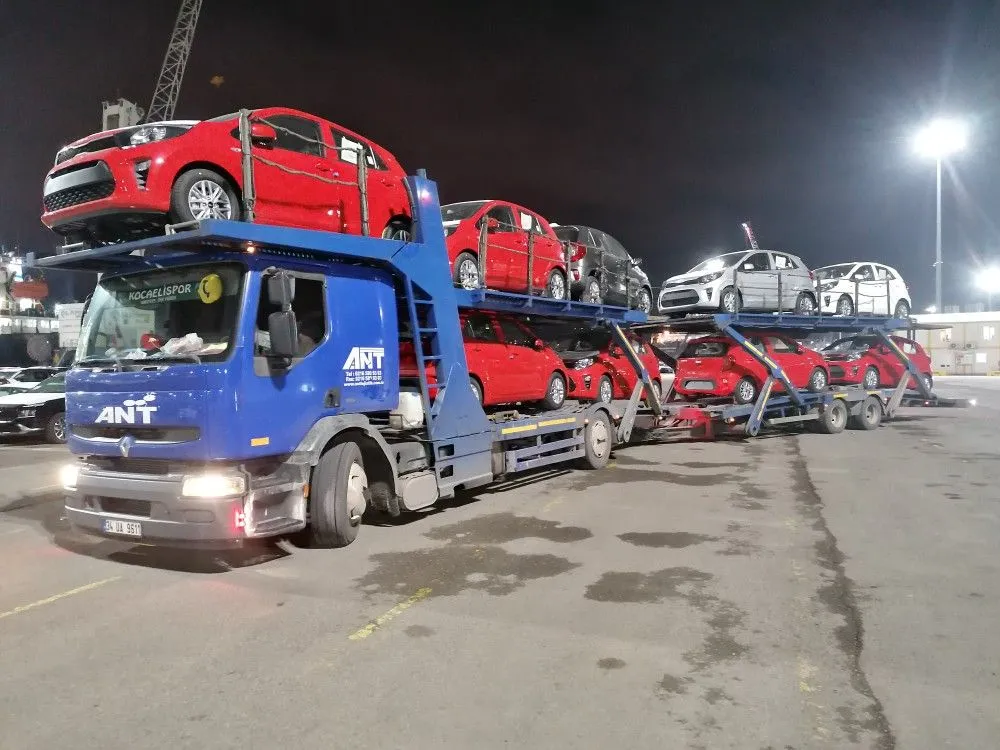
Open car transport is generally the more economical option. Open carriers can accommodate several vehicles, making them suitable for everyday passenger cars, SUVs, and trucks.
Enclosed car transport usually costs more because vehicles travel inside covered trailers with lower carrying capacity.
For standard vehicles, open transportation may provide the best balance of cost and practicality. For classic or luxury automobiles, enclosed shipping may be worth the additional expense.
3. Vehicle Size and Weight
Larger and heavier vehicles can cost more to transport because they occupy additional trailer space and affect carrier loading capacity.
For example, shipping a compact sedan may cost less than transporting a full-size SUV or oversized pickup truck on the same route.
Vehicle modifications, unusual dimensions, and non-operational conditions can also influence pricing.
4. Seasonal Demand
Car shipping prices can change throughout the year.
Demand may increase during major moving periods, holidays, and seasonal relocation cycles.
Carrier availability can also vary by route and direction of travel.
If your schedule is flexible, comparing different pickup windows may help you identify suitable transportation options.
5. Pickup and Delivery Locations
Popular shipping routes between major metropolitan areas may have more frequent carrier activity.
Remote destinations and difficult pickup locations may require additional coordination.
For door-to-door shipping, large trucks must be able to access the requested locations safely and legally.
When direct access is not possible, a nearby suitable meeting point may be arranged.
6. Fuel Prices and Market Conditions
Fuel is a major operating expense for vehicle carriers.
Changes in diesel prices, transportation demand, and available truck capacity can affect shipping rates.
For this reason, quotes may vary depending on when you request transportation.
How to Get an Accurate Car Shipping Quote
Provide complete and accurate information about your vehicle and route. Include the vehicle’s year, make, model, operating condition, origin and destination ZIP codes, preferred dates, and transport type.
When comparing quotes, review the total price, payment terms, potential additional fees, cancellation conditions, and insurance information.
The lowest advertised price is not always the best overall option if important details are unclear.
Final Thoughts
Car shipping costs are influenced by more than mileage alone. Understanding transport methods, vehicle requirements, route availability, and scheduling considerations can help you choose an option that fits your needs.
For a quote based on your specific shipment, contact Car Shipping Connection in Inglewood, CA.
Call (424) 414-2005 to discuss your car shipping requirements.