
State-to-State Auto Transport provides a convenient way to move vehicles between U.S. states without driving them yourself. Whether you are relocating, purchasing a vehicle from another state, or planning a seasonal move, Car Shipping Connection helps customers explore interstate shipping options with open, enclosed, and convenient pickup arrangements.
Moving a vehicle between states can involve significant time, planning, and travel expenses. Whether you are relocating across the country, purchasing a car from an out-of-state seller, or helping a family member move, professional interstate vehicle transportation can offer a practical alternative to driving.
Car Shipping Connection, based in Inglewood, California, helps customers explore state-to-state auto transport solutions for a variety of shipping needs.
Our service information covers transportation options for everyday passenger vehicles, SUVs, pickup trucks, luxury automobiles, and other eligible vehicles.
By understanding the available transport methods, pickup arrangements, and scheduling considerations, customers can make informed decisions about moving their vehicles between states.
State-to-state auto transport refers to the shipment of a vehicle from a location in one U.S. state to a destination in another.
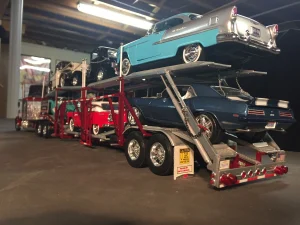
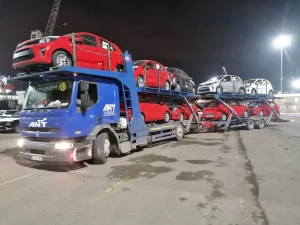
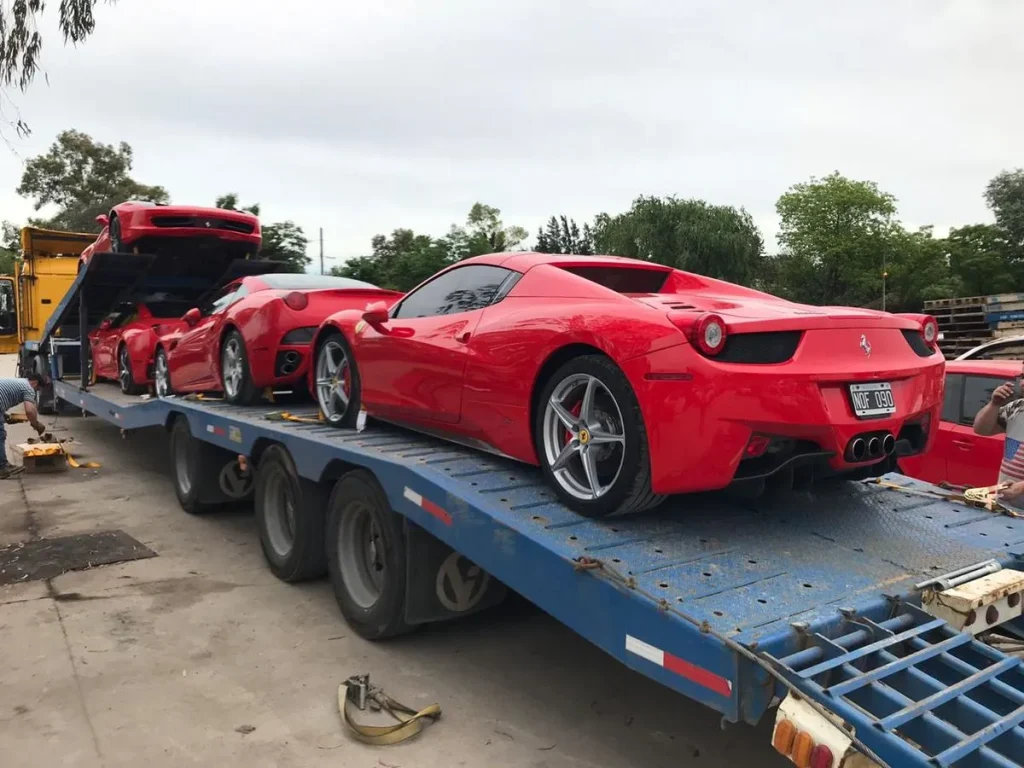
Vehicles are typically loaded onto specialized transport trailers and moved along established highway routes.
Customers may select open or enclosed transportation depending on their vehicle type, budget, and desired level of protection.
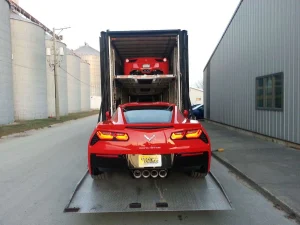
Open transportation is widely used for standard vehicles and generally offers lower pricing. Enclosed transportation provides additional protection from direct outdoor exposure and may be preferred for classic, luxury, or collectible automobiles.
Interstate vehicle shipping can also include door-to-door pickup and delivery arrangements when the requested locations are accessible.
Avoid Long-Distance Driving
Driving hundreds or thousands of miles can require several days of travel. Vehicle shipping allows customers to make separate travel arrangements while their automobile is transported.
Reduce Additional Vehicle Mileage
Shipping a car avoids adding the full journey’s mileage to its odometer. This can be appealing to owners who want to limit wear associated with long-distance driving.
Support Relocation Planning
When moving to another state, coordinating vehicle transportation can help customers focus on housing, work, family, and other relocation responsibilities.
Transport Out-of-State Purchases
Customers purchasing automobiles from dealerships, auctions, or private sellers in other states may use professional transport to arrange delivery.
Accommodate Different Vehicle Types
Depending on the carrier and equipment, interstate transportation may be available for sedans, SUVs, pickup trucks, and specialty automobiles.
Interstate auto transportation serves customers with many different needs.
People relocating for employment may need to move one or more household vehicles to their new state.
Students attending universities away from home may arrange transportation at the beginning or end of an academic year.
Military families may require vehicle shipping as part of a permanent change of station or another relocation.
Seasonal travelers sometimes ship their automobiles between summer and winter residences.
Vehicle dealerships and online buyers may also require interstate shipping to transfer vehicles between sellers and customers.
Regardless of the reason, accurate route and vehicle information is essential when planning a shipment.
The process begins with a request for a personalized shipping quote.
Customers provide the origin and destination ZIP codes, vehicle details, preferred dates, and transportation preferences.
These details help determine which shipping arrangements may be available.
After reviewing the proposed transportation terms, customers can confirm scheduling and pickup requirements.
Before collection, the vehicle should be cleaned sufficiently for inspection, photographed, and prepared according to the carrier’s instructions.
At pickup, the vehicle’s condition is typically documented before loading.
The carrier then transports the automobile toward its destination using the scheduled route.
Long-distance transportation may involve multiple stops, traffic delays, weather changes, and other logistical factors.
Upon arrival, the customer or authorized recipient inspects the vehicle and completes the delivery documentation.
Interstate delivery times depend primarily on the transportation distance and route, but several other factors can influence the schedule.
Carrier availability, pickup location, destination accessibility, weather, traffic, seasonal demand, and required stops may all affect transit estimates.
A shipment between neighboring states will often require less driving time than a coast-to-coast move, but pickup scheduling and carrier availability also matter.
Customers should distinguish between the estimated pickup window and the estimated transit time.
Because transportation conditions can change, estimated delivery dates should not be treated as guaranteed unless a specific written agreement provides otherwise.
State-to-state vehicle shipping prices depend on distance, vehicle size, transport type, fuel expenses, route popularity, seasonal demand, and scheduling flexibility.
Shipping a compact sedan on an established route may have different pricing from transporting a large SUV to a remote destination.
Enclosed shipping generally costs more than open transportation because of equipment and capacity differences.
Customers with flexible pickup dates may have access to different scheduling options than those requiring a narrow pickup window.
A personalized quote is the best starting point for understanding the estimated cost of a specific shipment.
Before booking, customers should confirm payment terms, cancellation conditions, potential additional fees, and the services included in the quoted price.
A successful shipment begins with proper preparation.
Remove loose personal items, document the vehicle’s condition, check for visible fluid leaks, and disclose any mechanical problems.
Confirm whether the carrier has specific requirements concerning fuel levels, alarms, accessories, or non-operational vehicles.
Make sure pickup and delivery contacts are available and have the information needed to coordinate the vehicle handover.
It is also helpful to keep copies of your shipping agreement, vehicle inspection documentation, and relevant contact information.
Car Shipping Connection helps customers in Inglewood and beyond explore practical solutions for moving vehicles between states.
Whether you are moving from California to another state or arranging transportation to Southern California, selecting the right shipping method can make an important difference in your overall moving experience.
We aim to make vehicle transportation easier to understand by explaining available service types and important shipping considerations.
Planning an interstate vehicle shipment? Contact Car Shipping Connection at (424) 414-2005 or request your personalized state-to-state auto transport quote today.
Find answers to some common questions about car shipping and vehicle transportation.
Car shipping prices depend on distance, vehicle size, transport type, route availability, season, and scheduling requirements. Request a personalized quote for pricing based on your shipment.
Delivery times vary depending on route distance, carrier schedules, traffic, weather, and other transportation conditions. An estimated pickup and delivery window can be discussed during the booking process.
Open transport is generally more economical and suitable for standard vehicles. Enclosed transport offers additional protection from direct exposure to road debris and weather, making it attractive for luxury and classic cars.
You or an authorized representative should normally be available to hand over the vehicle, review its condition, and complete the required pickup documentation.
Yes. State-to-state auto transport is intended for interstate vehicle moves, including relocations, online vehicle purchases, and seasonal transportation. Availability depends on the specific route and shipping arrangements.